Wishing you a wonderful holiday and a very Happy New Year!
As we step into 2026, many of us hope to feel lighter, calmer, and more grounded. A recent article from BBC highlights practical, science-backed ways to boost wellbeing—small shifts that can make a meaningful difference over time.

Science-Backed Ways to Feel Better in 2026
1) Stop striving for perfection
Perfectionism is often praised, but research links it to higher stress, anxiety, and low mood. The antidote is self-compassion: treating yourself with the same kindness you’d offer a friend. Mistakes aren’t failures—they’re part of being human. Creating environments (at work and at home) where imperfection is accepted helps everyone thrive.
2) Forge better friendships
Strong friendships support both mental and physical health. One simple habit that strengthens bonds is actively celebrating others’ good news—asking follow-up questions, expressing joy, and sharing in their success. Consistent warmth beats “hot-and-cold” interactions.
3) Take up social hobbies
New hobbies aren’t just about skill; they’re about connection. Creative classes or team sports quiet the mind, lift the mood, and foster a sense of belonging. Shared goals—what psychologists call shared intention—can even make effort feel easier and more enjoyable.
4) Put your anger to good use
Anger isn’t inherently harmful; how it’s handled matters. When recognized early, its energy can be redirected into exercise, persistence, or short bursts of creativity. Techniques like pausing, gaining perspective, and choosing a constructive outlet help keep reactions healthy.

Arthur Lubow has described The Scream as “an icon of modern art, a Mona Lisa for our time.”[20] It has been widely interpreted as representing the universal anxiety of modern humanity.[1] Edvard Munch’s “The Scream.” Norwegian: Skrik, German: Der Schrei der Natur. The abstracted figure represents the modern individual’s alienation and existential angst, a shared feeling in a rapidly changing world. stemming from Munch’s own panic attack while witnessing a blood-red sunset over Oslo, feeling the “infinite scream passing through nature”.
5) Count your blessings
A simple gratitude practice—writing down three good things each day—has been shown to increase happiness and reduce low mood across various cultures and age groups. The key is reflecting on why those moments felt positive, however small they seem.
6) Make your phone work for you
Phones can distract—but they can also support wellbeing. Use note-taking to offload mental clutter, batch notifications to reduce interruptions, or try leaving your phone in another room for short periods. Small changes can improve focus and calm.
The takeaway
You don’t need a total life overhaul to feel better in 2026. Research suggests that kindness to yourself, meaningful connections, mindful use of technology, and simple daily habits can add up to lasting wellbeing. Start small—and let consistency do the rest.
Reference:
BBC Future. (31 December 2025). Nine simple steps to feeling better in 2026. BBC.
https://www.bbc.com/future/article/20251231-nine-simple-steps-to-feeling-better-in-2026
“We worship perfection because we can’t have it; if we had it, we would reject it. Perfection is inhuman, because humanity is imperfect.”― Fernando Pessoa, The Book of Disquiet Just like life outside, the workplace is a hugely diverse environment. When we think about diversity and inclusion, our minds often go to racial or gender representation. But there’s another essential form of diversity that deserves equal attention — neurodiversity.
Neurodiversity: Rethinking Inclusion in the Workplace:
What Is Neurodiversity?
Neurodiversity refers to the natural variations in how people think, process information, learn, and behave. It reminds us that differences in brain function are part of normal human diversity — just like differences in culture, language, or background.
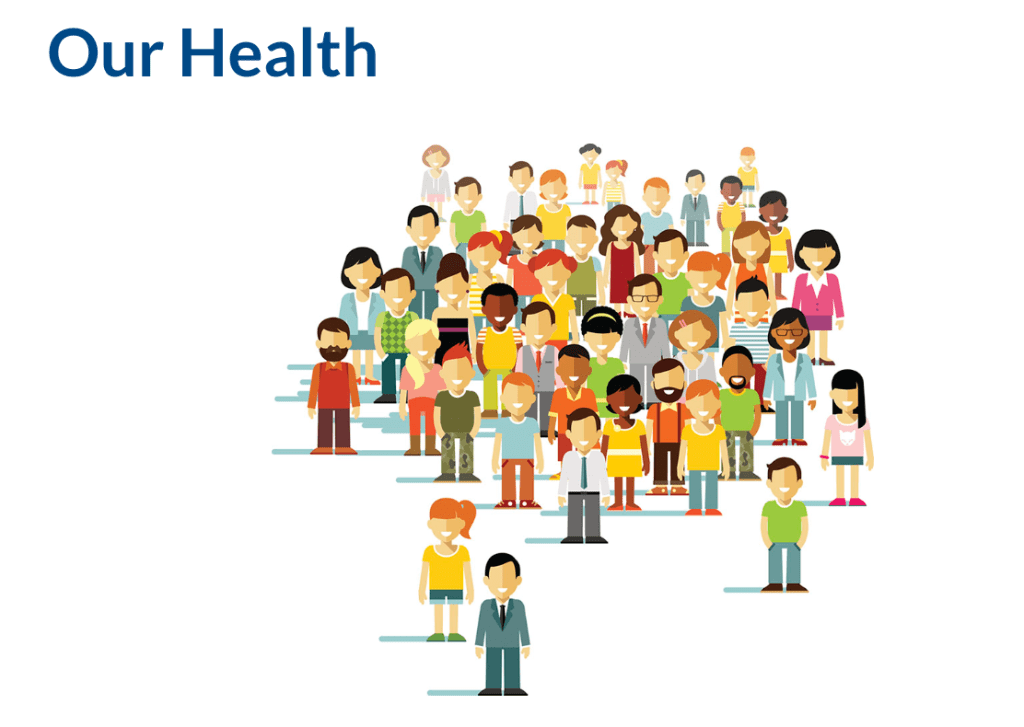
It’s estimated that up to 20% of the global adult population is neurodivergent, meaning they have a neurotype such as Dyslexia, Autism, or ADHD. That’s one in five people — yet only one in ten organizations actively consider neurodiversity in their management and inclusion practices.
The Value of Neurodivergent Thinkers
Neurodivergent individuals bring unique perspectives and strengths to any workplace. They often excel in areas like creativity, pattern recognition, problem-solving, and innovative thinking. From Albert Einstein to Daryl Hannah, from Elon Musk to Anthony Hopkins—many influential figures have identified with or been linked to neurodivergent traits that shaped their brilliance.
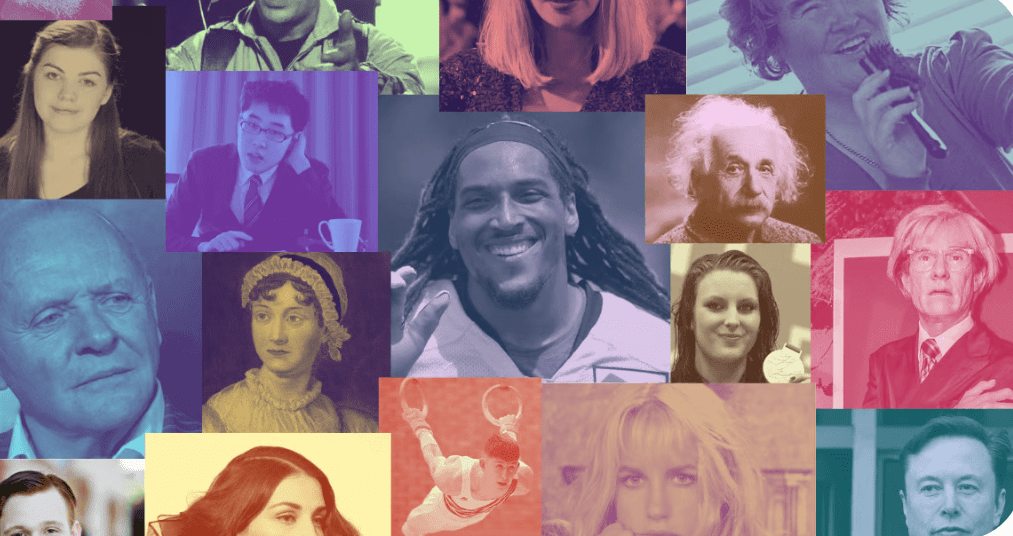
Every word and action by Elon Musk carries significant influence in the business world. His revelation on Saturday Night Live that he has “Asperger’s Syndrome” made that impact even more powerful. In just a few moments, Musk raised global awareness of neurodiversity in business—combining humor and candor when he remarked, “that’s how my brain works…Did you think I was going to be a chill normal dude?” One might say Musk has become a symbol of a new, boldly inclusive era of work (Brodey, 2021).
However, many neurodivergent employees still face barriers due to limited awareness and non-inclusive workplace structures. By understanding and embracing neurodiversity, organizations can unlock new forms of talent, creativity, and collaboration.
The Business Case for Neurodiversity
1. Positive Impact on Business Objectives
Research shows that companies with more diverse workplaces are more profitable.
- Disability-inclusive organizations can see up to 28% higher revenue, double the net income, and 30% higher profit margins than their peers.
- Consumers increasingly prioritize brands that are inclusive and accessible.
2. A Wider Talent Pool
Inclusive workplaces attract and retain neurodivergent talent.
- 93% of neurodivergent workers say they would apply for or stay at companies that actively support neurodivergent employees.
- Many employers still unintentionally screen out valuable skills by overlooking neurodiversity during recruitment.
3. Extraordinary Skills
Neurodivergent employees bring creativity, visualization, cognitive flexibility, logical reasoning, and complex problem-solving — all key to innovation.
- The Dyslexic Thinking Movement (recognized by LinkedIn) celebrates these traits as skills of the future, aligning with findings from the World Economic Forum.
4. A Loyal Workforce
When employees feel valued and supported, they stay.
- 63% of neurotypical employees also prefer to work for companies that support neurodiversity.
- Yet 64% of neurodivergent employees feel their organizations could do more — meaning there’s significant opportunity for progress.
Key Terms to Understand
- Neurodiversity:
The range of natural differences in brain function and behavior across the human population. - Neurotypical:
Describes individuals whose brain function and development align with what is considered typical within society. - Neurodivergent (or Neuroatypical):
Refers to individuals who process information differently — including those with Autism, ADHD, Dyslexia, Dyspraxia, and other neurological variations.
Is Neurodivergence a Disability?
The relationship between neurodivergence and disability is complex. For some, barriers in the environment — rather than their neurological differences — create disabling conditions. For others, neurodivergence is an integral part of their identity. What’s clear is that inclusion requires understanding, not assumptions.
Why Language Matters
Person-first language places the person before the condition and helps reduce stigma:
- ✅ Say: “A person with autism”
- ❌ Not: “An autistic person” (unless preferred)
- ✅ Say: “A person with a disability”
- ❌ Not: “A disabled person”
Avoid ableist language, which can unintentionally reinforce stereotypes. Replace terms like “crazy,” “insane,” or “confined to a wheelchair” with inclusive, factual alternatives like “surprising,” “unexpected,” or “uses a wheelchair.”
Inclusive communication builds empathy and belonging.
Creating Neuroinclusive Workplaces
To foster inclusion and innovation:
- Offer flexible schedules and sensory-friendly environments.
- Use plain language and visual aids.
- Encourage feedback and ongoing awareness training.
- Design policies that celebrate different working and thinking styles.
When we design workplaces that support neurodivergent people, everyone benefits. Innovation, empathy, and collaboration thrive.
Reference:
Brodey, D. (2021, May 13). How Elon Musk’s neurodiversity comment showed the power of getting personal. Forbes. Retrieved from https://www.forbes.com/sites/denisebrodey/2021/05/13/how-elon-musks-neurodiversity-comment-showed-the-power-of-getting-personal/
McKay, M. & Houghton, J. (2024). Workplace inclusion: Building the case for neurodiversity and creating inclusive experiences for all.
Disability:IN & Texthelp.
Author’s Note

At Real World Dialogue (RWD), we help mission-driven organizations build inclusive communication and leadership practices that value every mind. Through consulting, training, and digital strategy, we create spaces where diversity of thought thrives — because inclusion isn’t just good ethics; it’s good business.
🌐 Visit: http://www.rwdialogue.com
💡 Inclusive Communication. Real World Impact.



 Real World Dialogue